
By Dr. Lisha Antiqua
For so many people who have experienced trauma, the idea of pleasure feels complicated.
Not just sexual pleasure, but pleasure in being alive. Pleasure in your body. Pleasure in rest, desire, creativity, connection, and joy.
Trauma teaches the nervous system one thing very well: how to survive.
But it rarely teaches us how to feel safe enough to receive pleasure.
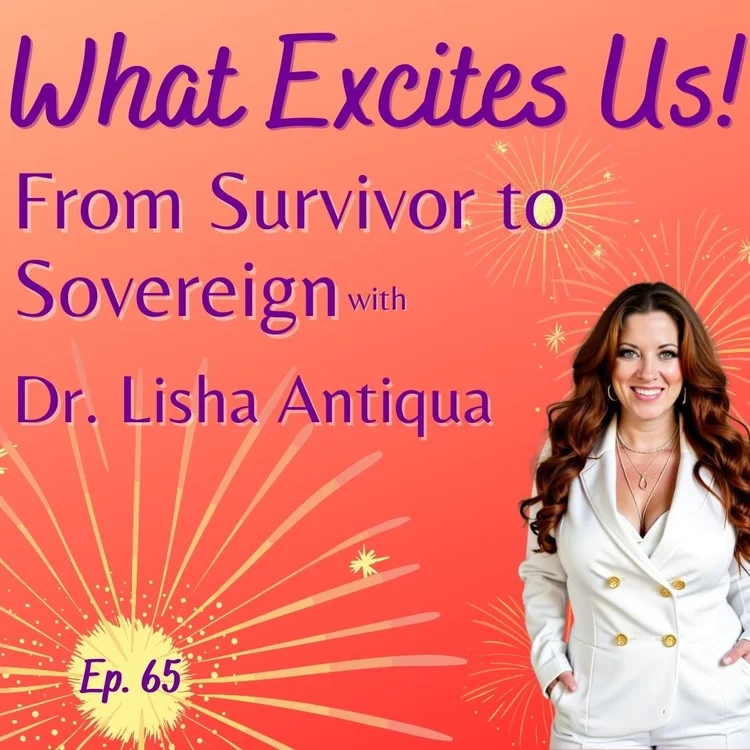
In my recent interview, we explored a powerful and often misunderstood concept: post-traumatic growth and how reclaiming pleasure is not a luxury after trauma, but a biological and spiritual necessity for healing.
What Is Post-Traumatic Growth?
Post-traumatic growth is the psychological and neurological process where people don’t just “recover” from trauma, but actually experience greater levels of meaning, embodiment, emotional depth, resilience, and purpose than they had before the trauma.
This isn’t about bypassing pain or pretending trauma didn’t happen.
It’s about integrating the experience in a way that expands your identity rather than shrinking it.
Research in psychology shows that post-traumatic growth often includes:
- Deeper relationships and emotional intimacy
- Increased appreciation for life
- Stronger sense of personal power
- More spiritual or existential awareness
- Greater connection to purpose and meaning
But there is one aspect rarely talked about in mainstream trauma work:
Pleasure.
Trauma and the Nervous System: Why Pleasure Feels Unsafe
Trauma fundamentally changes the nervous system.
It shifts us into patterns of hypervigilance, dissociation, freeze, or control.
When the body has learned that the world is dangerous, pleasure can feel threatening. Joy can feel overwhelming. Desire can feel unsafe. Relaxation can feel foreign.
This is why so many high-functioning, successful, emotionally intelligent people still struggle with:
- Feeling numb or disconnected from their bodies
- Difficulty receiving love or support
- Low libido or shut-down sensuality
- Chronic stress, anxiety, or overworking
- Guilt around rest or enjoyment
The nervous system learned survival, not receptivity.
Pleasure Is Not Indulgence. It Is Regulation.
One of the biggest myths I challenge in my work is the idea that pleasure is selfish, indulgent, or something you “earn” after healing.
From a trauma-informed and neurobiological perspective, pleasure is one of the fastest ways to regulate the nervous system.
Pleasure activates:
- The parasympathetic nervous system
- Oxytocin and dopamine pathways
- Safety, bonding, and trust circuits
- Embodiment and present-moment awareness
In other words, pleasure teaches the body:
“It is safe to be here.”
“It is safe to feel.”
“It is safe to receive.”
This is not hedonism. This is healing at the level of the body and identity.
Post-Traumatic Growth Is the Return to the Body
Real post-traumatic growth doesn’t happen only in the mind.
It happens in the body.
It happens when you start to:
- Feel desire again
- Enjoy being touched by life
- Trust your impulses
- Say yes without fear
- Experience joy without guilt
- Feel pleasure without dissociation
This is the shift from coping with life to inhabiting life.
From surviving… to sensory, emotional, and spiritual aliveness.
This is what I call sovereignty, when your nervous system no longer runs your life from trauma memory, but from present-moment choice.
Trauma Heals Through Expansion, Not Just Processing
Talking about trauma is not enough.
Understanding your patterns is not enough.
Reframing your story is not enough.
The nervous system heals through new embodied experiences.
Through:
- Safety in the body
- Regulated pleasure
- Healthy attachment
- Boundaries with desire
- Creative expression
- Sensual presence
- Emotional intimacy
- Receiving instead of over-giving
Post-traumatic growth happens when your system learns a new baseline:
Not threat… but aliveness.
You Are Not Broken. You Are Wired for Pleasure.
If you struggle with pleasure, joy, or embodiment after trauma, it doesn’t mean you’re damaged.
It means your system learned survival first.
And now it’s ready to learn something new.
Not how to fix yourself. But how do you feel safe being yourself?
This is the work of soul psychology.
This is the work of nervous system sovereignty.
This is the work of post-traumatic growth.
And it is not about becoming someone else.
It’s about finally returning to the body you left behind when you had to survive.
Reclaim YOU
If you’re ready to move beyond healing as coping and into healing as embodied aliveness, I invite you into Reclaim Intimacy.
This is a trauma-informed, identity-based journey into:
- Nervous system regulation
- Embodiment and pleasure
- Emotional sovereignty
- Soul-led purpose
- Post-traumatic growth in real life
Not just understanding your story – But living inside a new one.
Apply now to Reclaim Intimacy and begin your next evolutionary chapter.